




NEWS
News Center
Academician Luo Jianbin, Honorary President of our Academy, was elected academician of the Academy of Sciences of the Developing Countries!
The Academy of Sciences of the Developing Countries (also known as the "World Academy of Sciences"), formerly known as the Third World Academy of Sciences, referred to as TWAS(The World Academy of Sciences), was established on November 10, 1983 and headquartered in Trieste, Italy. It is a non-governmental, Non-political and non-profit international scientific organization, founded on the initiative of Pakistani physicist and Nobel Prize winner in Physics Professor Abdus Salam (Abdus Salam). The current chairman is Bai Chunli, president of the Chinese Academy of Sciences.
On November 3, 2021, TWAS official website announced the list of newly elected academicians. This time, 58 scientists from 33 countries and regions around the world were elected,Six of them are from mainland China and one is from Taiwan. Congratulations to these seven Chinese scholars!
Academician Wu Lizhu of the Institute of Physics and Chemistry
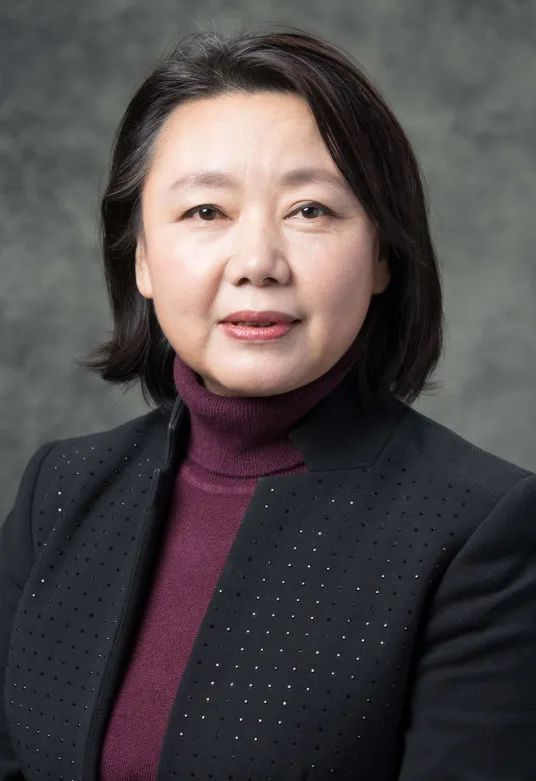
Wu Lizhu, Female, born in 1968 in Tianshui, Gansu, organic photochemist, academician of the Chinese Academy of Sciences, researcher, doctoral supervisor, and director of the Supramolecular Photochemistry Laboratory of the Institute of Physics and Chemistry of the Chinese Academy of Sciences.
Wu Lizhu graduated from the Department of Chemistry of Lanzhou University in 1990; after graduating from the Institute of Photographic Chemistry of the Chinese Academy of Sciences in 1995, he stayed in the Institute and worked as an assistant researcher, associate researcher, and researcher; in 1999, he worked in the Institute of Physics and Chemistry of the Chinese Academy of Sciences. Doctoral supervisor, director of supramolecular photochemistry laboratory, deputy director of the Science and Technology Committee of the Institute; funded by the National Outstanding Youth Science Fund in 2001 "; he was elected as a member of the Royal Society of Chemistry in 2017 and a member of the Chinese Academy of Sciences in 2019.
Wu Lizhu has been engaged in the research of organic photochemistry for a long time, and has made systematic innovations in the research of organic photochemical synthesis and artificial photocatalytic decomposition of water to produce hydrogen.
Academician Chen Zijiang of Shandong University
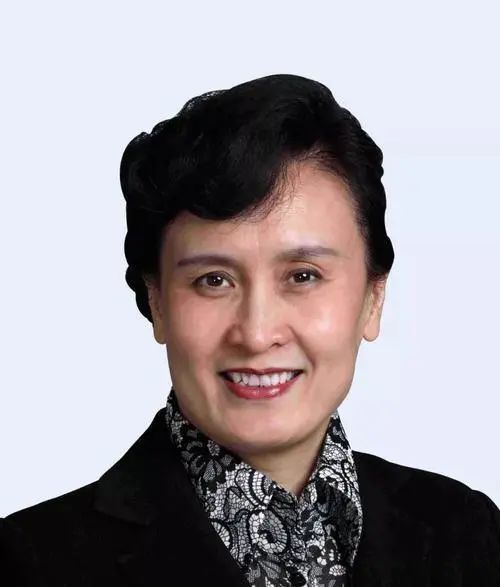
Chen Zijiang, Female, born in October 1959 in Wuhan, Hubei, obstetrics and gynecology and reproductive medicine, academician of the Chinese Academy of Sciences, professor, doctoral supervisor, chief physician, vice president of Shandong University, minister of Qilu Medical Department of Shandong University
Chen Zijiang graduated from Shandong Medical College in 1984. In 1989, he received his doctor's degree from Shandong Medical University, and then stayed on to teach as a lecturer in the clinical medicine department of Shandong Medical University. In 1993, he was promoted to professor exceptionally. In 2001, he served as director of obstetrics and gynecology department and director of reproductive medicine center of Shandong provincial hospital; in 2011, he was selected into the Taishan Scholar Climbing Program; in 2013, he served as the vice president of Shandong University; in 2015, he concurrently served as the minister of Qilu Medical Department of Shandong University; in 2019, he was elected as an academician of the Chinese Academy of Sciences.
Chen Zijiang is mainly engaged in clinical diagnosis, treatment and scientific research of reproductive health, birth defects and major reproductive endocrine diseases.
Academician Luo Jianbin of Tsinghua University
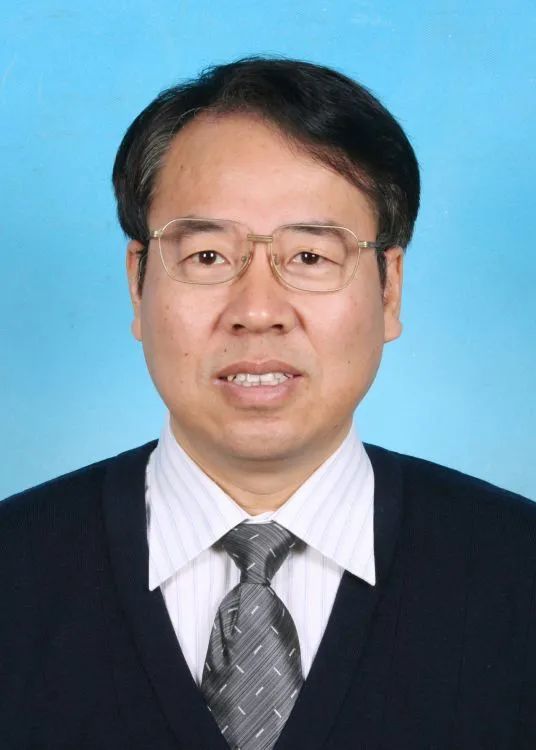
Luo Jianbin, born on August 18, 1961 in Huxian County, Shaanxi Province, is an expert in the field of tribology, an academician of the Chinese Academy of Sciences, a distinguished professor and doctoral supervisor of the Yangtze River in the Department of Mechanical Engineering of Tsinghua University, and honorary dean and chief scientist of Tianjin High-end equipment Research Institute of Tsinghua University.
Luo Jianbin entered Xi 'an Cable Factory after graduating from Northeastern University in 1982; he stayed on to teach after obtaining a master's degree from Xi 'an University of Architecture and Technology in 1988; he stayed on to teach after graduating from Tsinghua University in 1994; he was funded by the National Science Fund for Distinguished Young Scholars in 2000; he was employed as a distinguished professor of the Yangtze River Scholars Award Program of the Ministry of Education in 2002; he was elected academician of the Chinese Academy of the Chinese Academy of Sciences in 2011.
Luo Jianbin has been engaged in nano-tribology research and nano-manufacturing research for a long time.
Academician Yu Guirui, Institute of Geographical Sciences and Resources
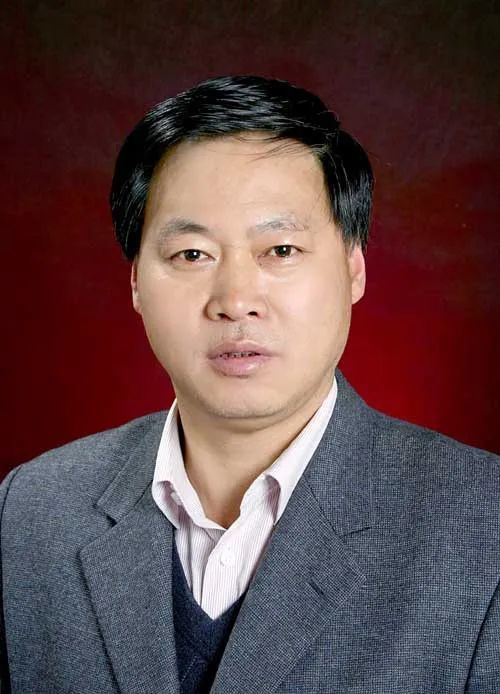
Yu GuiruiBorn in Dalian, Liaoning Province in 1959, ecologist, academician of the Chinese Academy of Sciences, second-level researcher of the Institute of Geographical Sciences and Resources of the Chinese Academy of Sciences, post professor of the University of the Chinese Academy of Sciences, director of the Department of Ecosystem Ecology, and director of the Department of Ecology of the School of Resources and Environment.
Yu Guirui graduated from Shenyang Agricultural University in 1993 with a doctorate in agronomy. In 1997, he received a doctorate in environmental science from Chiba University in Japan. From 1994 to 1996, he served as an assistant professor in the Graduate School of Chiba University and an associate professor in the Department of Horticulture. From 2000 to 2009, he served as a researcher at the Institute of Geographical Sciences and Natural Resources Research of the Chinese Academy of Sciences. From 2000 to 2018, he served as deputy director and director of China ecosystem Research Network Research; director of the key Laboratory of Ecosystem Network Observation and Simulation of the Chinese Academy of Sciences from 2004 to 2018; Director of the National Ecosystem Observation and Research Network Comprehensive Research Center from 2005 to 2018; Deputy Director of the Institute of Geographical Sciences and Resources of the Chinese Academy of Sciences from 2008 to 2018; employed as Professor of the University of Chinese Academy of Sciences and Director of the Department of Ecosystem Ecology in 2014; in 2020, he won the second National Innovation Award.
Yu Guirui is mainly engaged in the cross research of ecology and geography, and has done systematic research on the carbon, nitrogen and water cycle and coupling process mechanism of terrestrial ecosystem, vegetation functional characteristics and biogeography.
Academician Wang Xiaoyun of Tsinghua University
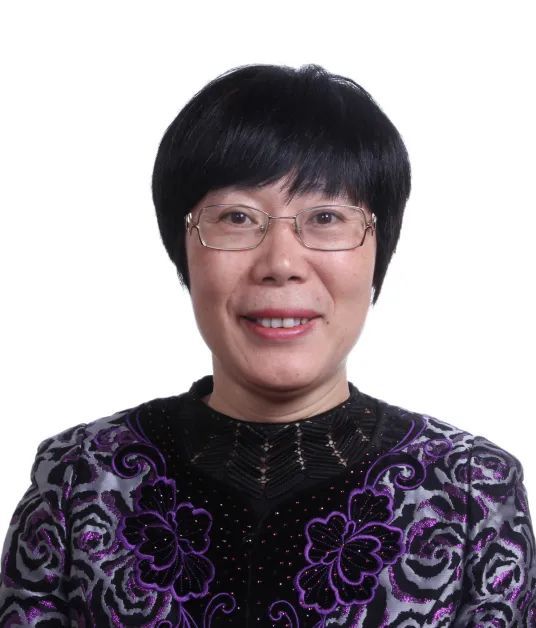
Wang XiaoyunHe was born in Shandong. In 1993, he received a doctor's degree in mathematics from Shandong University. He is currently a professor of "Yang Zhenning Lecture" at the Institute of Advanced Studies of Tsinghua University. He was elected academician of the Chinese Academy of Sciences in 2017. He was elected a member of the International Cryptography Association (IACR Fellow) in 2019. He is also the vice chairman of the Chinese Cryptography Society, the vice chairman of the Chinese Mathematics Society, the member of the Special Committee of Female Scientific and Technological Workers of the Chinese Association for Science and Technology, the executive director of the Chinese Association of Female Scientific and Technological Workers, and the vice chairman of the Cyberspace Security Teaching Steering Committee of the Ministry of Education.
In 1983, Wang Xiaoyun was admitted to the Department of Mathematics of Shandong University and received bachelor's, master's and doctor's degrees successively. After graduating from his PhD in 1993, he stayed on to teach and successively served as a lecturer, associate professor and professor in the Department of Mathematics of Shandong University. In 2005, he was appointed as Yang Zhenning Chair Professor of Advanced Research Center of Tsinghua University. In 2014, he won the special prize of password innovation award of China password society. In 2016, he won the network security talent award. He was elected academician of the Chinese Academy of Sciences in 2017. In 2018, he participated in the "Guardian Happiness" series of CCTV's comprehensive channel "Opening Lecture" [4]. In 2019, he won the "Mathematics and Computer Science Award" of the Future Science Award ".
Wang Xiaoyun is mainly engaged in the research of cryptographic theory and related mathematical problems.
In January 2020, he was elected 2019 China Science News Person of the Year.
On January 1, 2020, she was named one of the "Top 10 Women in 2019".
Academician Li Ruxin, Director of Shanghai Institute of Optics and Machinery
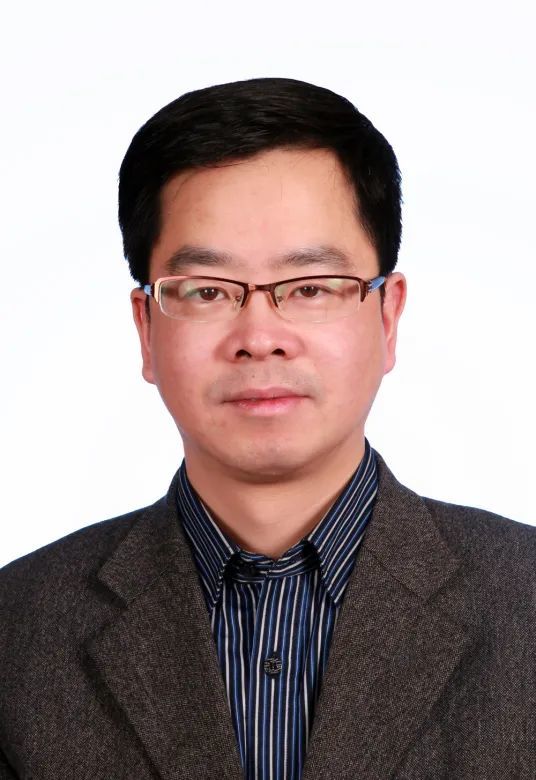
Li Ruxin, Male, born in Jian'ou City, Fujian Province in October 1969, member of the Communist Party of China, doctoral supervisor, optics expert, academician of the Chinese Academy of Sciences, researcher, dean of the Shanghai Institute of Advanced Studies, Chinese Academy of Sciences, director of the Shanghai Institute of Optics and Mechanics, Chinese Academy of Sciences, strong field Director of the State Key Laboratory of Laser Physics, Secretary of the Party Committee and Vice President of Shanghai University of Science and Technology, Academician of Chinese Academy of Sciences.
Li Ruxin graduated from Tianjin University in 1990 with a bachelor's degree in optoelectronic technology; in 1995, he received a doctorate in optics from Shanghai Institute of Optics and Fine Mechanics, Chinese Academy of Sciences; from 1996 to 1998, he worked as a postdoctoral at Uppsala University in Sweden and Tokyo University in Japan; in 2017 Elected as an academician of the Chinese Academy of Sciences; since June 2019, he has been the dean of the Shanghai Institute of Advanced Studies of the Chinese Academy of the Chinese Academy of Sciences.
Li Ruxin is mainly engaged in ultra-high peak power ultra-short pulse laser and strong field laser physics research.
Academician Guo Peien of Academia Sinica, Taiwan
dr kwok pei-yanHe is a distinguished researcher and director of the Institute of Biomedical Research, Academia Sinica, Taiwan, China. The nominee is an innovator in genomic technology who invented homogeneous genotyping analysis and single-molecule genome mapping; a major contributor to large-scale genome projects (Single Nucleotide Polymorphism Consortium, International Single Nucleotide Mapping Project); a leader in genome-wide association studies for psoriasis and other common diseases; and a pioneer in precision medicine (NSIGHT, CSER, and TPMI). He is a member of Academia Sinica and has received the Human Genome Organization (HUGO) Award for outstanding academic achievements in human genetics and genome research.
Reprinted | Frontiers of Polymer Science

Address: Buildings 4 and 5, Kechuang Huigu Park, Hongshun Road, Huaming High-tech Zone, Dongli District, Tianjin
Tianjin High-end Equipment Research Institute, Tsinghua University, Copyright
Website Construction: China Enterprise Power Tianjin
sweep
Pay attention to the official WeChat public number